Why the type of damp matters
Paint over damp and it comes straight back. We work out where the moisture comes from, treat that, then repaint so the wall looks right again.
Our staff are trained on all facets of waterproofing and damp proofing, and Rebel Roofing is a DWASA member. Damp assessments are free.
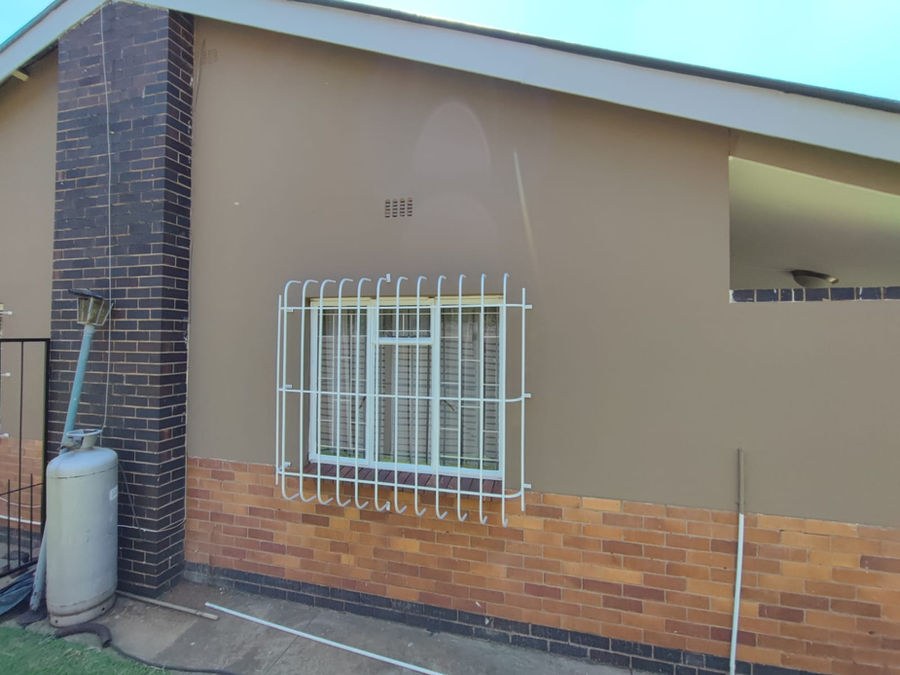
Rising damp, penetrating damp and condensation are the three most common types of damp in homes, and each is treated in a different way.
- 01Free assessments and advice
- 02Damp walls resolved and restored
What's included
- 03Painting after the damp is treated
- 04Boundary walls repaired and painted
Three common kinds of damp
Rising damp
Moisture from the ground climbs into the base of the walls. Look for tide marks and crumbling plaster low down.
Penetrating damp
Water gets in from outside through walls, cracks, roofs, gutters or parapets. Patches often show after rain.
Condensation
Moisture from inside the home settles on cold surfaces. Think steamed-up windows and mould in corners and bathrooms.
Signs of damp in your walls
- Peeling or bubbling paintPaint lets go when the wall behind it is wet.
- Tide marksA line where the damp stops rising.
- A musty smellOften the first thing you notice.
- Mould or black spotsIn corners, behind cupboards, in bathrooms.
- Crumbling plasterSoft, salty or powdery to the touch.
- Patches after rainA sign water is getting in from outside.
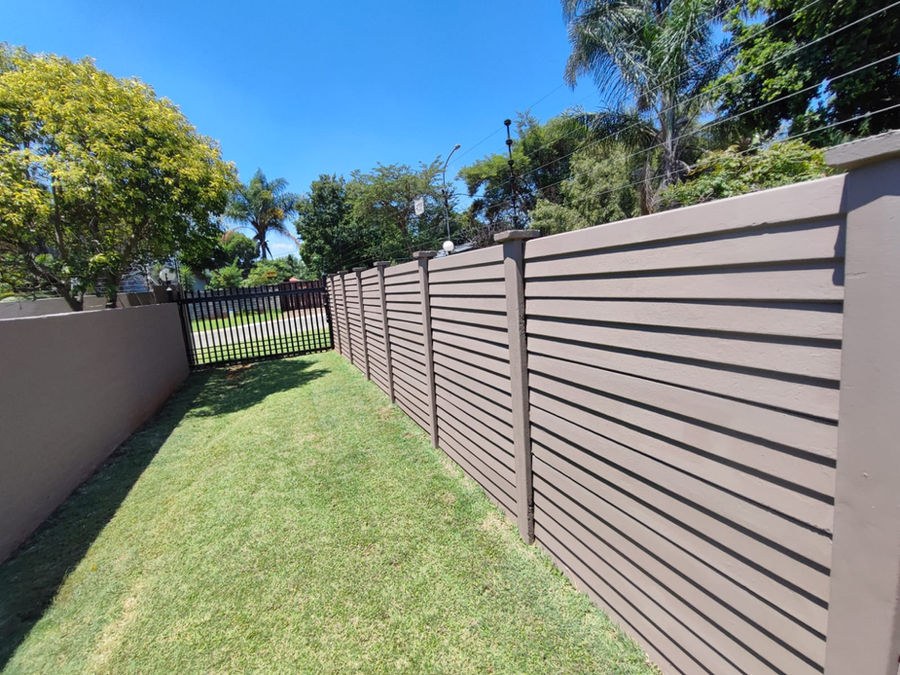
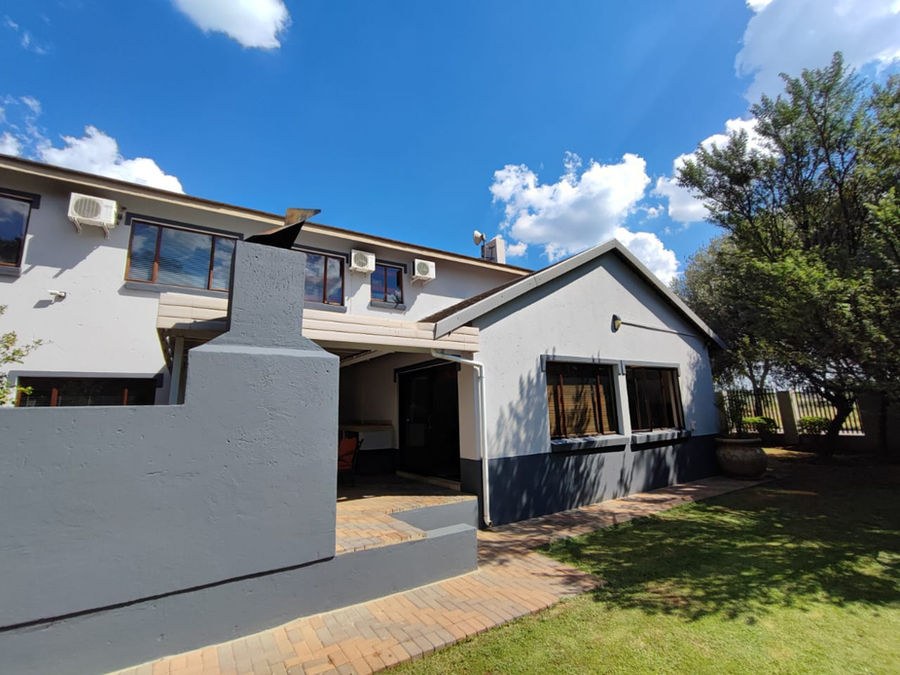
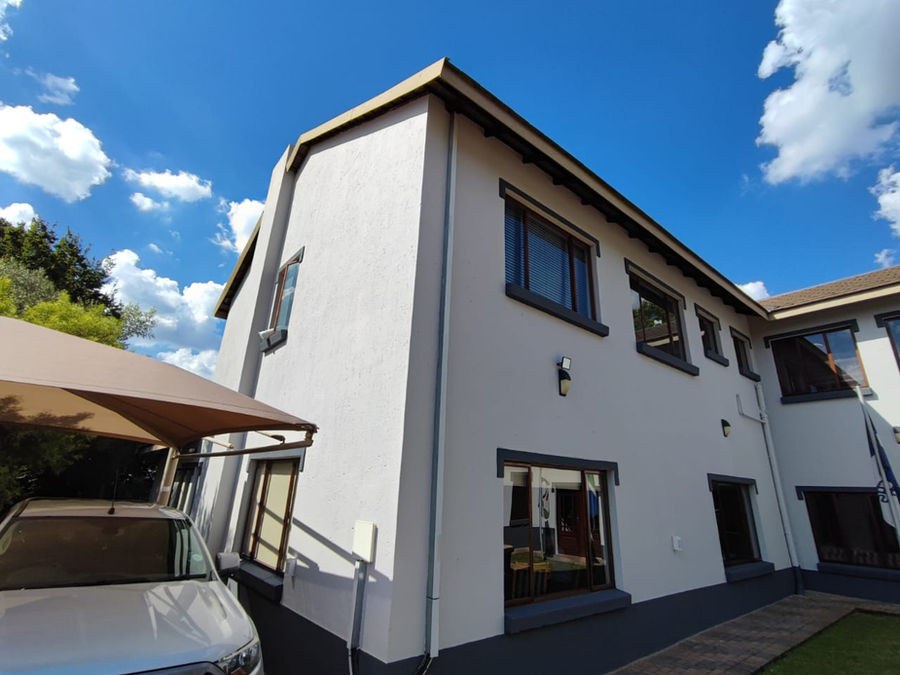
Walls we've damp proofed and painted
Damp proofing questions
Yes. We come out, look at the walls and work out which kind of damp you have before we quote.
Not if you want it to last. Damp pushes the paint off again. We treat the cause first, then paint.
Often you cannot tell by looking, and the wrong treatment wastes money. That is what the free assessment is for.
Yes. We treat the damp, then paint, so the job is finished. We do residential and commercial painting too.
Book a free damp assessment
Tell us where the damp is showing. We will find the cause and give you a quote.